
I watched a movie yesterday, Lou Andreas-Salomé, a 2016 film that followed the life of a woman who would influence Nietzsche, Rilke, and Freud. They called her one of the most brilliant minds of her generation. The subtitle, The Audacity to be Free, was chosen as a summation of her lived philosophy.
In a way, this reminded me of Ertha Kitt’s famous quote about “what is compromise” and how she refused to compromise in a relationship.
Both brilliant, beautiful, and strong women. But like many things, often misunderstood and misinterpreted. Indeed, the core of who we are should never be compromised. We should never dim our light for any other person in this world. Anyone who asks you to change who you are as a person doesn’t love you, for that is not what love is.
But here lies the first thing to question: what makes a person who they are? Our ailments and even habits do not make us who we are. These are not the things that make up our living, breathing soul. Many confuse conditioned habits, thought processes, and cultural plays with being who they are as a person, even their trauma.
Furthermore, knowing the difference between compromise and accepting relational influence are two totally different things. In psychology, it is called Relational Attunement. Here are two examples:
Self-Erasure (Bad Compromise): “I will abandon my own creative life and never write my book because my partner needs all the spotlight.”
Relational Attunement (Generous Presence): “I am deep in my own intellectual world right now, but because I love you, I am going to pause, step out of my mind, and celebrate your victory with you.”
You see, an absolute refusal to compromise can quietly shift from self-preservation into hyper-independence, or avoidant attachment, which is actually a trauma response. Looking back at Kitt and Solme, it makes perfect sense for a woman wanting to preserve their autonomy, but was there a cost? Did total emotional self-sovereignty create an isolated fortress?
When we refuse to bend, are we protecting our core soul—or are we just guarding our fears and comfort zones?
Revisiting what I said about trauma and identity, it is so often that people mistake their ego, their fear, or vulnerabilities as who they are, as a person. But when we look through the lens of narrative therapy, we can then see that these words, these stories, are outside things that are coming at us. They are not things that rest within us, making us who we are. Knowing this and shifting that story enables us to then view our relationship with those particular words and/or stories and choose what we want those stories and relationships to be.
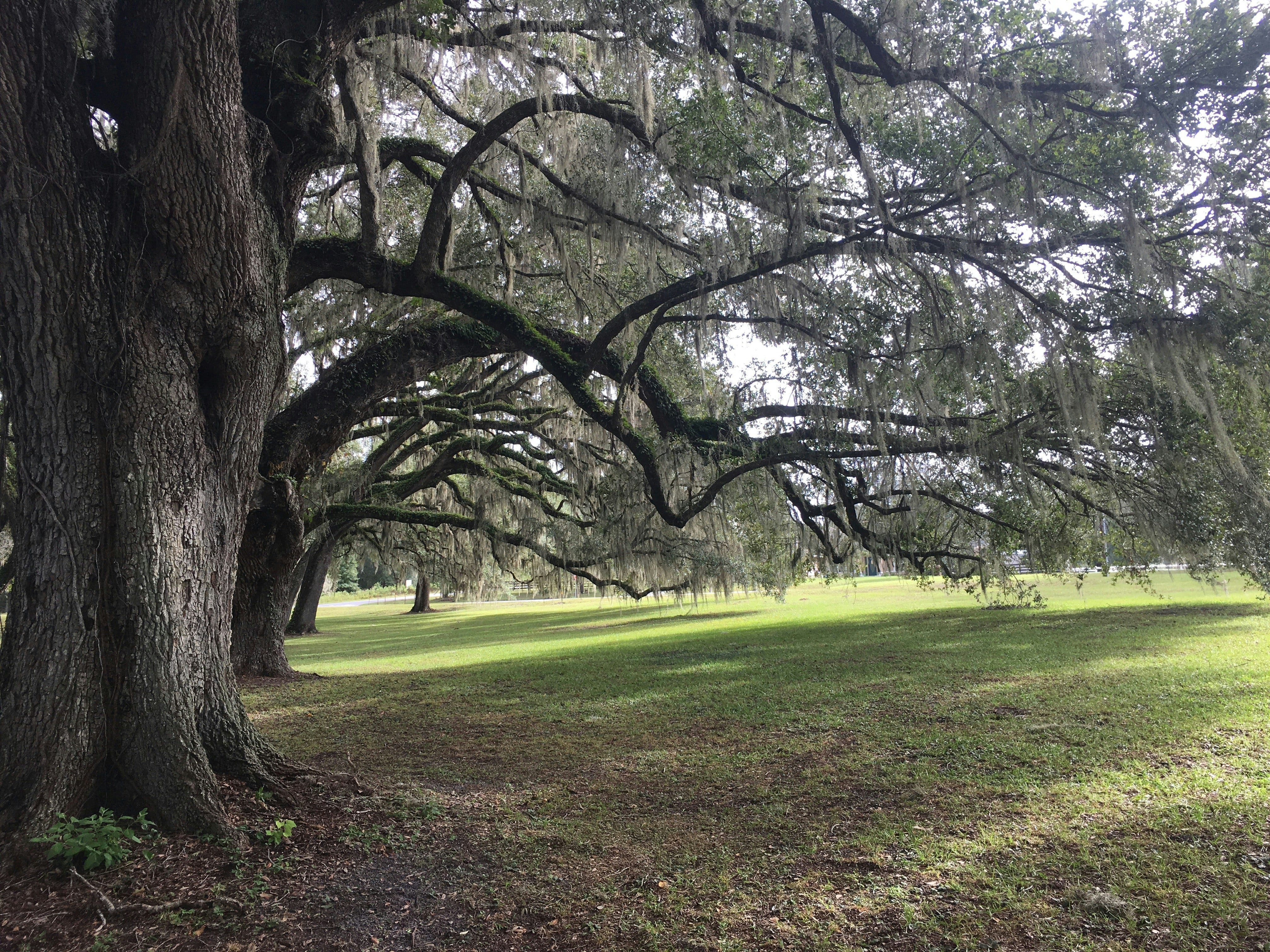
This shows that there is flexibility within us, not just in our relationship with ourselves, but in our relationships with our romantic partners, our family and friends. In the Tao Te Ching, Lao Tzu says: “A tree that will not bend easily breaks in a storm.” So you see, a person secure in their core identity can flex without losing their roots.
A healthy partnership is one where both people shine brightly; it is knowing that if you step out of your world for a moment to enter your partner’s, you are using your freedom to love generously. So although I love the strength that both Kitt and Solme show, their lesson on never erasing yourself is deeply important, but we must also remember that true audacity isn’t just the bravery to be free from others, but the courage to be vulnerable and attuned with another.
Original article: https://ladyannselene23.substack.com/p/the-audacity-to-bend