
The rains of May have returned. It is hard to believe that a year has passed since I moved to this beautiful place, and even more incredible to contemplate how much I have changed, or rather grown.
I don’t believe we ever stop growing, expanding, and evolving. We truly are indeed eternal students, whether we want to be or not. In narrative therapy, we focus on our stories, the way we have personal relationships with each word.
We contemplate a situation where we tune into our bodies and think, what is coming at me in this moment. When we tune in, we find that we can funnel it down to a word, say judgment, abandonment, isolation, fear- you name it.
Then we look at our history with that word. In what other areas or times of our lives have those words come to us? And if we envision the word as an entity (and you can have fun with that), it could be a person, an element, an animal, whatever you please. Then you can begin to understand your relationship better with that word- how do you interact?
Perhaps you have a history with shame or judgment, but the revolutionary thing is that when they come to you, you learn that you don’t have to be the victim; you can choose to lean into curiosity. Become curious about what they have come to teach you.
Last spring, melancholy came to me, and I learned that it was not a room to be locked out of, but a landscape to be explored. As I watched the histories of writers like Oscar Wilde — who met tragedy with wit — and Emily Dickinson — who turned physical isolation into an expansive inner world, I realized that sorrow carries a secret language of its own.
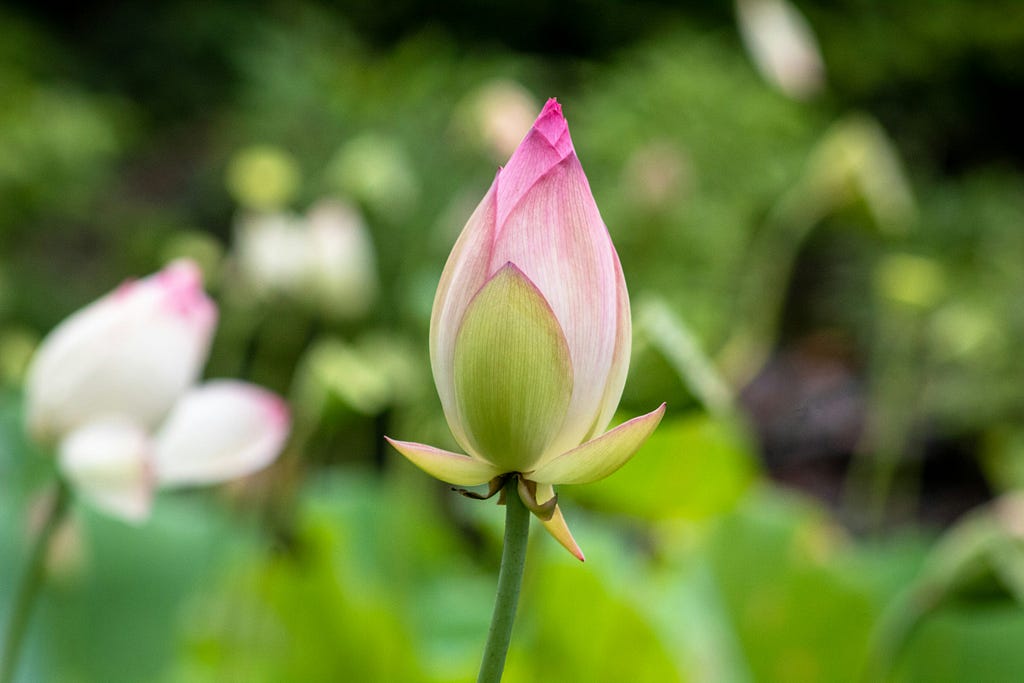
I stopped viewing my sadness as a weight and began to see it as soil. I learned that when disappointment or grief arrived, I could treat my tears as the very water needed to help new ideas blossom. In the quiet of that melancholy, I discovered that our deepest wounds are often where we find the most profound threads of connection to the rest of humanity.
By leaning into my writing, I wasn’t just surviving the dark; I was learning how to touch the human soul, proving that even our most painful seasons can be transformed into the seeds of something beautiful.
This spring, I lean into curiosity and a veracity for the deeper mechanics of the human experience.
I find myself driven by a renewed fire — a commitment to a rigorous, deep exploration that goes beyond mere reading of the systems that govern our behavior and our biology, but experimentation that will help me as I seek the truths I’ve always known intuitively.
May you never stop chasing your dreams.
Soil of the Soul: Post-Traumatic Growth and the Externalization of Melancholy was originally published in Never Stop Writing on Medium, where people are continuing the conversation by highlighting and responding to this story.
Original article: https://medium.com/never-stop-writing/soil-of-the-soul-post-traumatic-growth-and-the-externalization-of-melancholy-33fb478e0afc?source=rss-dd9d16b8d22f——2